Hauntology in Music: The Ghosts of Lost Futures
What hauntology in music means, seen from Italy: Rai TV dramas, sonorizzazioni and library music as ghosts of a future once promised by state television. From Derrida and Fisher to Egisto Macchi.
WRITINGS
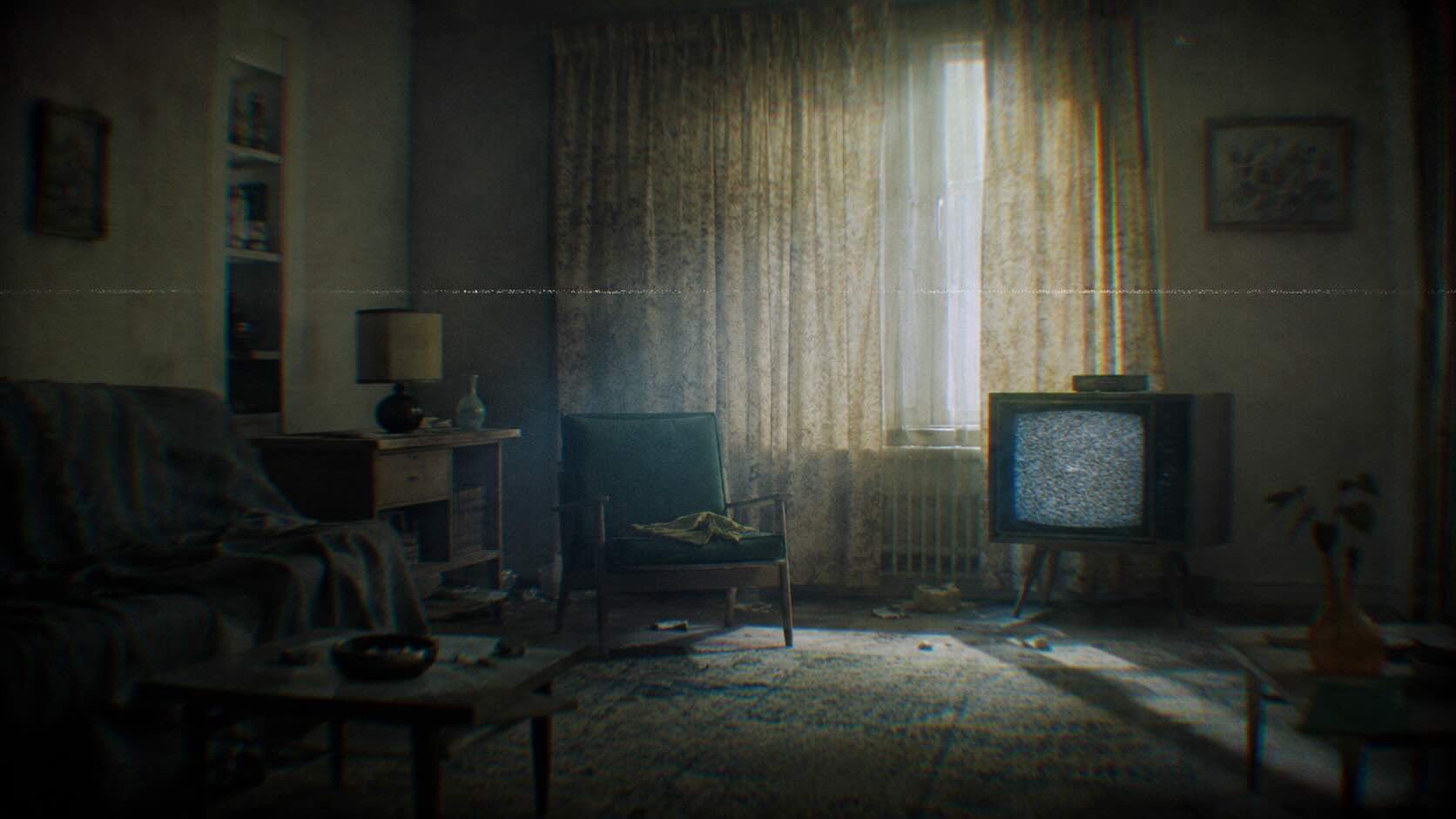
There's one case that holds all of this together better than any argument, and I came across it recently. Le venti giornate di Torino. It was meant to be a Rai drama, drawn from Giorgio De Maria's cursed novel — a story of collective insomnia and a city losing its mind. It was never made. It doesn't exist. And yet its music exists, because an Italian group composed it now for a drama that isn't there, imagining the soundtrack to something nobody ever shot. Here's the perfect ghost: not the music of a lost programme, but the music of one never born. A future missed twice over — promised in the Seventies, aborted then, and conjured today as if the Rai archive kept even the things it never produced. De Maria wrote of a Turin where people died of an exhaustion that came from nowhere. There's no threshold more exact than that for saying where all this ends up.
Because in the end the lesson state television gave us without meaning to is De Maria's own. The future they'd promised us — television as a great project of collective formation, learned and popular at once, a nation educating itself in front of the screen — that future is dead. What's left is the music that was supposed to go with it, cut loose from the images, free to haunt. The sonorizzazioni go on playing across a schedule that no longer exists. And when you hear them again now, reissued by labels for the few, they do what they did then, only reversed: back then it was a dread without a name, now it's the name with the thing that frightened gone from under it. What's left is an exhaustion that comes from nowhere. What's left is the stornello singing over an empty city, and you no longer know whether you're remembering it or inventing it right now.
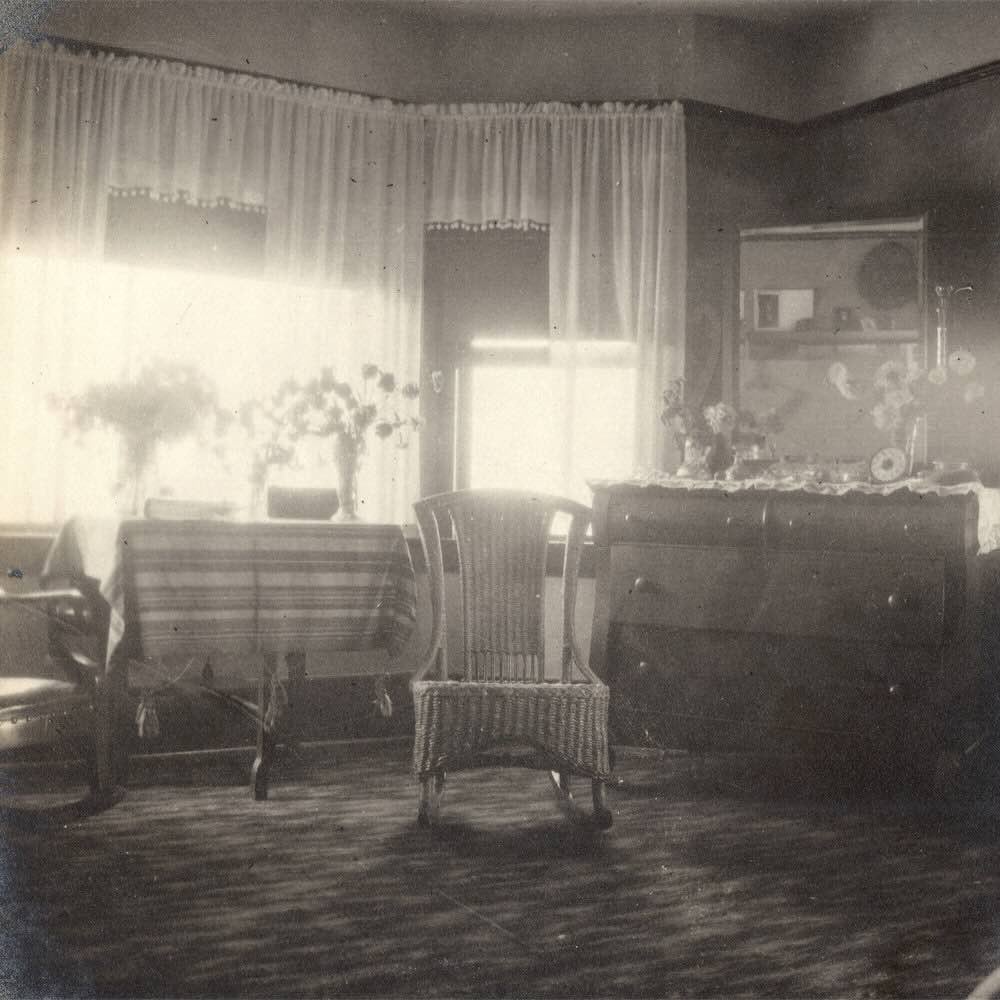
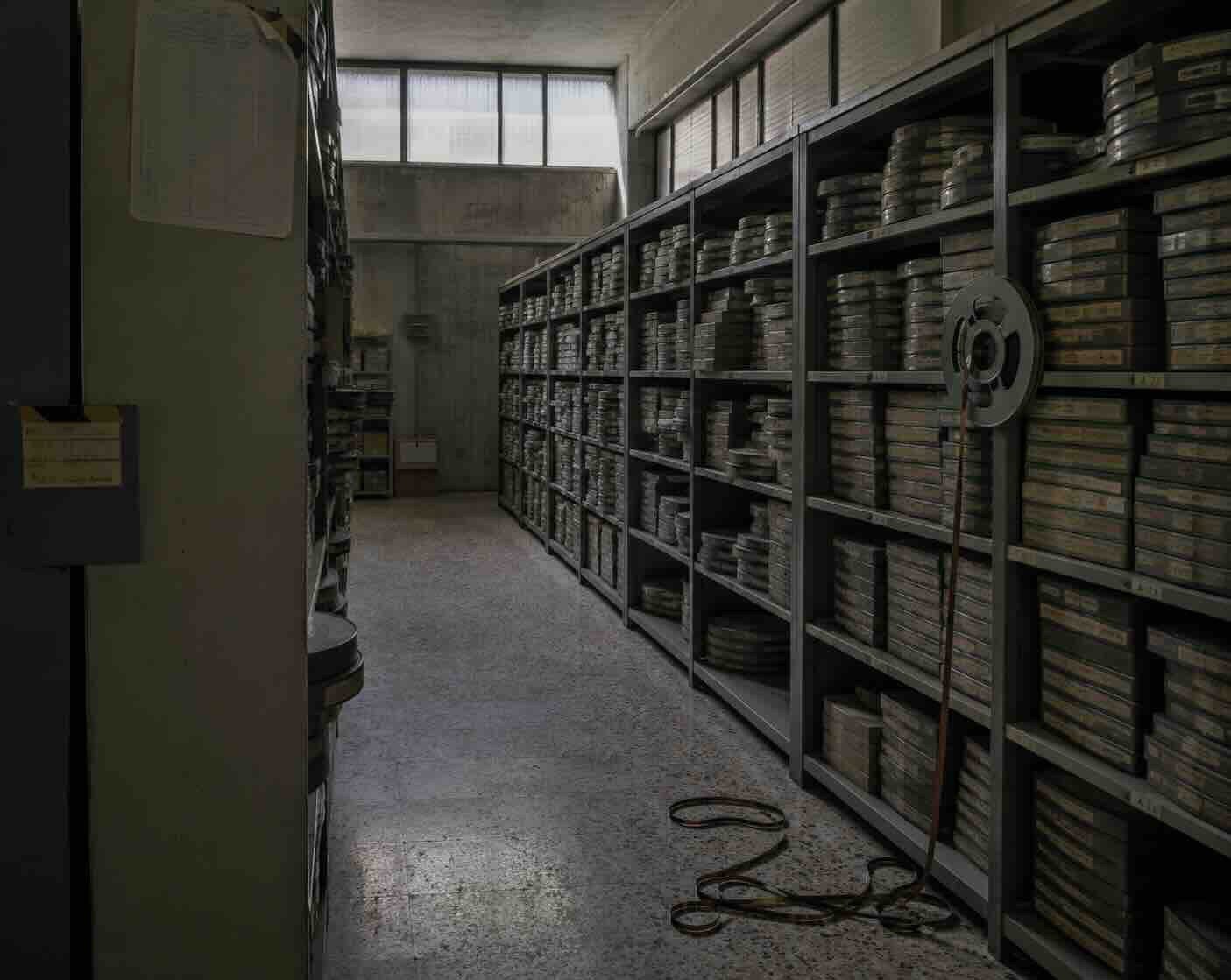
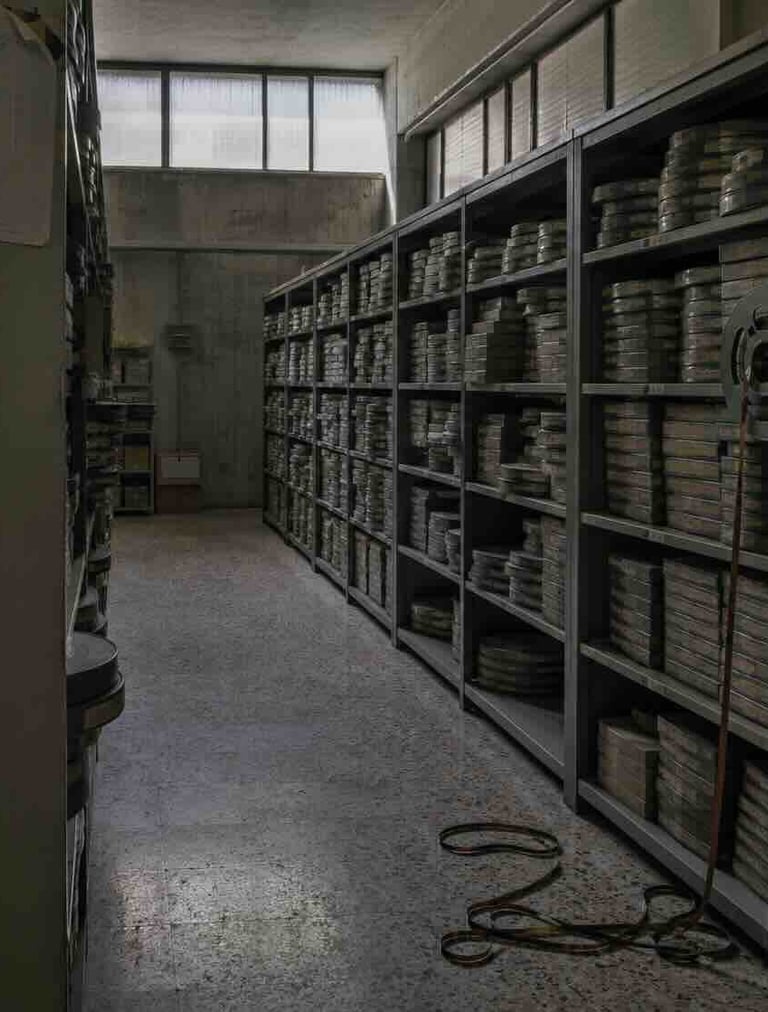
Sonorizzazioni from the Seventies. Library cues made to order, shelved and forgotten, now playing again across a schedule that no longer exists.
There's a Roman stornello that, somewhere inside Il segno del comando, starts singing over images of a Rome that isn't Rome — it's Trastevere emptied out, a topography of alleyways where an Englishman goes looking for traces of Byron and finds instead a woman who exists only as long as someone loves her. "Cento campane." The melody is tender, almost tavern-warm, and that's exactly what makes it the most wrong thing that could have accompanied those episodes: a folk song laid over a story of reincarnations and secret sects, the low cheer of wine set to guard a threshold no one should cross. I was very young and understood nothing of the plot. What I understood was the wrongness — the sense that the theme tune knew something the story wasn't telling yet.
That, I think, is where you learn what hauntology is, long before reading Derrida. Not in books. In the television afternoon, when music meant to soothe puts a ripple in the water instead.
Because there was the other television too, the one that ran in the hours without a name. Not the serious evening dramas but the children's afternoon, the shows whose titles I couldn't give back to you now — any of them, a theme that turned over on itself with a synthesizer pretending to be cheerful and not managing it. That music I didn't choose. It landed on me before I had words, and it stayed down there, in a spot in memory that corrupted on its own over the years, like a tape left near a heat source. Now I no longer know whether that theme really sounded like that or whether I remade it myself, year after year, out of my own material. Probably both at once. And that's exactly the point.
Derrida coins the term in '93, Specters of Marx, and he's talking about something else — about a communism that goes on haunting the West after being declared dead, about a justice that comes from the future and from the dead at once. It's Mark Fisher and Simon Reynolds, a dozen years later, who pick up the word and carry it into music. The canon that comes out of it draws on postwar sources outside the pop repertoire: library music, film and TV soundtracks, educational music, the experiments of the BBC Radiophonic Workshop. Ghost Box, Belbury Poly, The Advisory Circle, The Caretaker letting ballroom waltzes rot down to dust. Fisher calls it nostalgia for a lost future: mourning not the past but the futures we'd been promised and never got.
All true. All of it, though, told by people watching their own childhood from Manchester, from London. The Radiophonic Workshop is their television afternoon, the public information films are their wrong-footed theme tunes. Hauntology is born English by biographical accident — because the English got there first to name it, not because the thing speaks English. And here begins the part that, down our way, no one has ever quite said all the way through.
Because the same exact material was here too. The same years, the same industrial function, produced by a state broadcaster with a pedagogical mission even more explicit than the British one. Italian library music — sonorizzazioni, they called it, a word that says it all on its own: music for service, shelved in advance by theme and mood, fished out later by the schedulers for newscasts, documentaries, dramas. Egisto Macchi. Daniela Casa. Amedeo Tommasi, who under a pseudonym was cutting things in '74 that sound now like IDM twenty years early. Gerardo Iacoucci and his Simbolismo Psichedelico. Records that weren't records — they had no market, you couldn't buy them, they existed only to be consumed inside something else and then forgotten. Composers who, into their work-for-hire for Rai, often poured their best things, their most reckless experiments, psychedelic heresies that overtook the era's own drugged-out rock on the left.
This is hauntology that never knew it was. Ghost Box had to invent a parallel England, an imaginary Belbury, to produce the ghost-effect; we already had the material for real, already buried, already spectral, and all it took was not listening to it for thirty years. The whole difference between British hauntology and the one you might hear from here sits in that gap: there it's a loving reconstruction, a philological fiction; here it's something repressed coming back. They built the haunted house. Ours had simply stayed haunted, and we'd only stopped going in.
tuie. nasce da un’idea condivisa tra amici, in un pomeriggio di primavera.
Contatti
info@tuie.it